Our new collection is on its way Register for early access
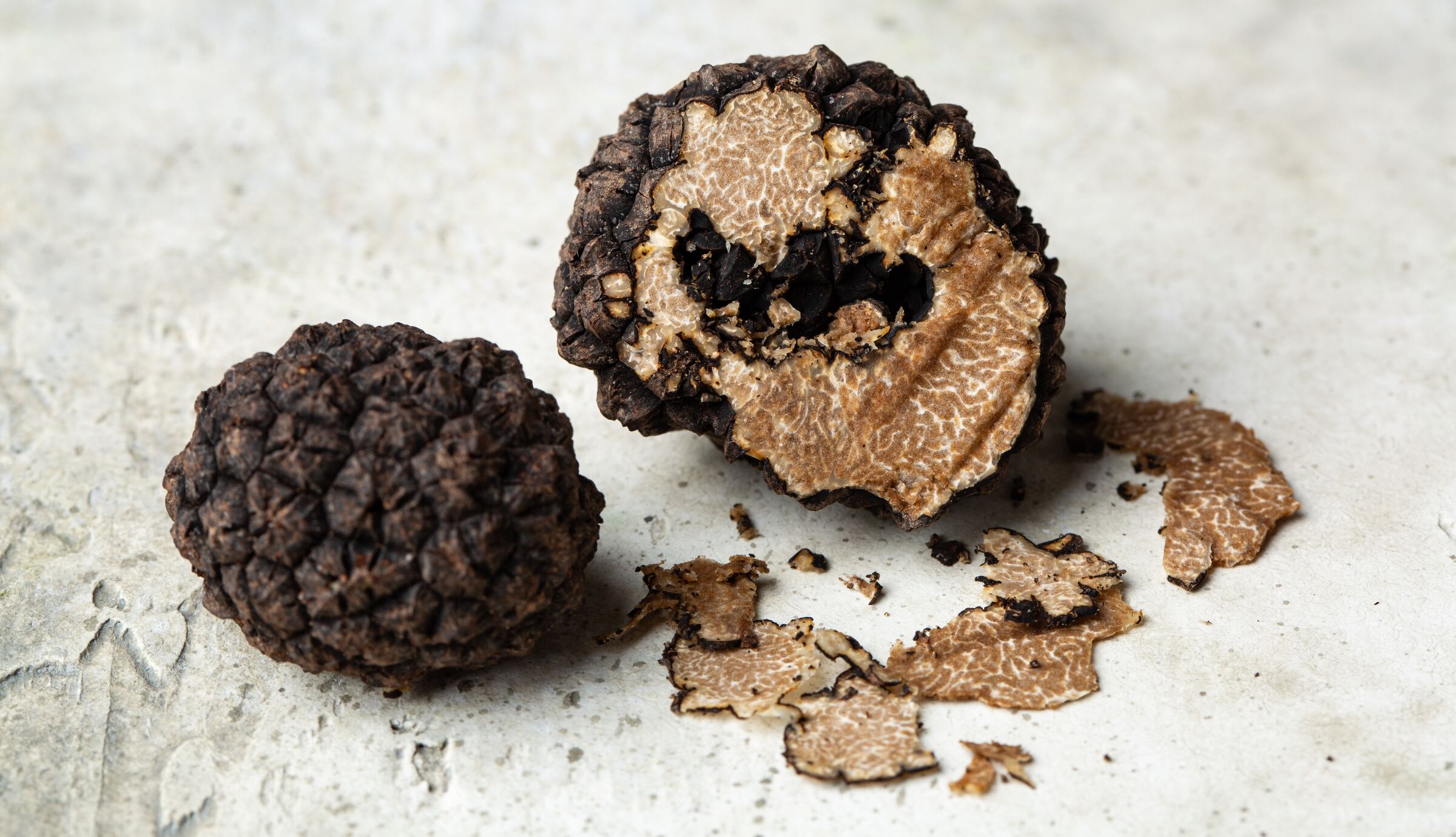
A whole and a halved black Périgord truffle
The Truffle

The world’s most prized fungus

A short guide to what truffles are, how they grow and how to enjoy them.

What is a truffle?

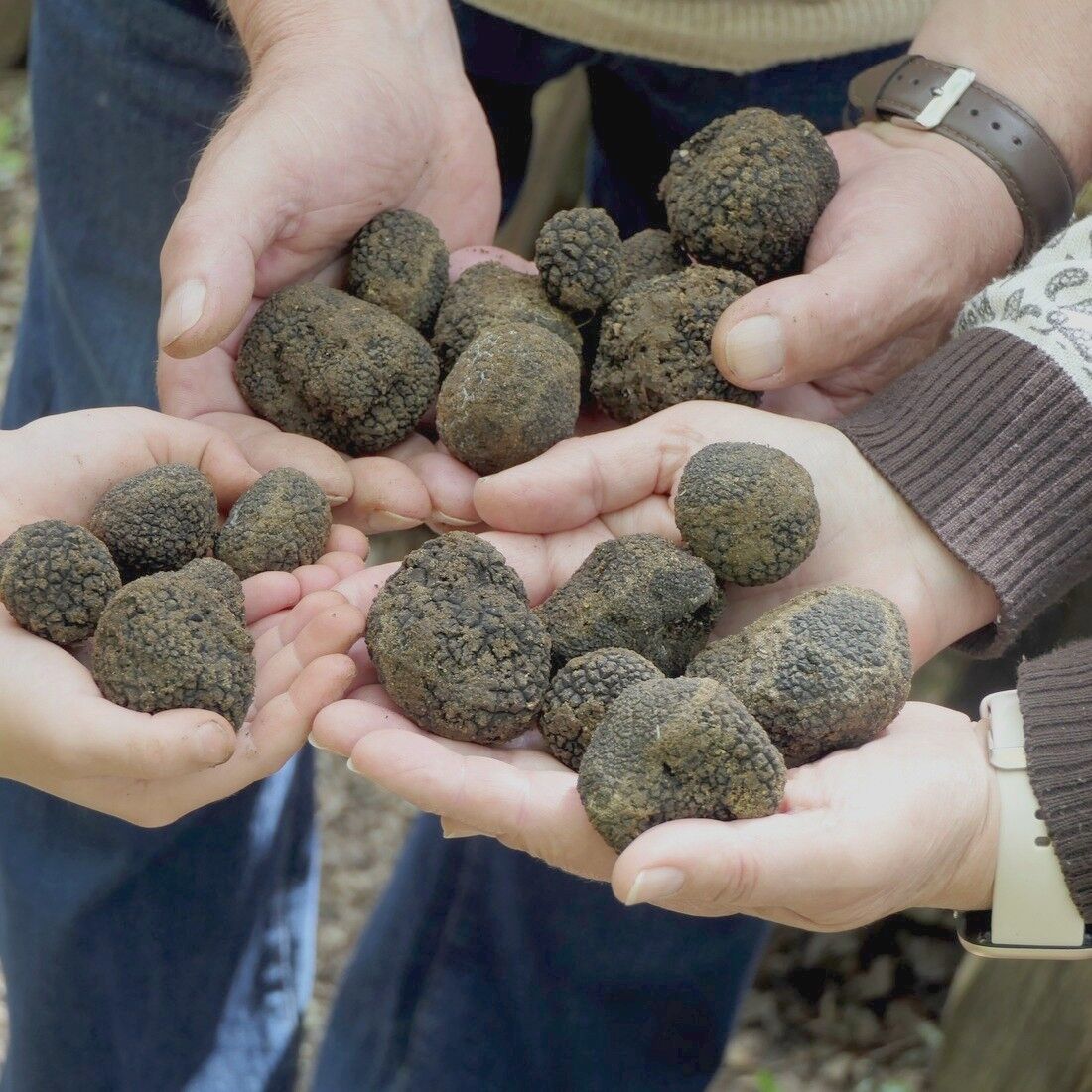
A truffle is a kind of underground mushroom that lives in partnership with the roots of its host tree.

Truffles can’t be planted in the conventional sense. They only form when a tree’s roots have been colonised by the truffle fungus, which needs very particular soil, climate and care. Ours are grown naturally on inoculated trees, with nothing synthetic involved, which is part of why they are so rare and so treasured.

Our varieties

Two truffles, grown in the Cape

Tuber melanosporum

Black Périgord Truffle

Often called black gold, this is the winter truffle treasured by chefs. Its aroma is deep, earthy and complex, and its dark flesh is laced with fine white veins.

Season
Southern-hemisphere winter
Flavour
Rich, earthy, intense
Best with
Eggs, butter, pasta, risotto, potatoes
Tuber aestivum

Summer Truffle

Paler inside, with a gentle, nutty, slightly mushroomy character. A more delicate truffle that is lovely shaved generously over simple dishes.

Season
Southern-hemisphere summer
Flavour
Mild, nutty, fresh
Best with
Salads, carpaccio, cheese, light pasta
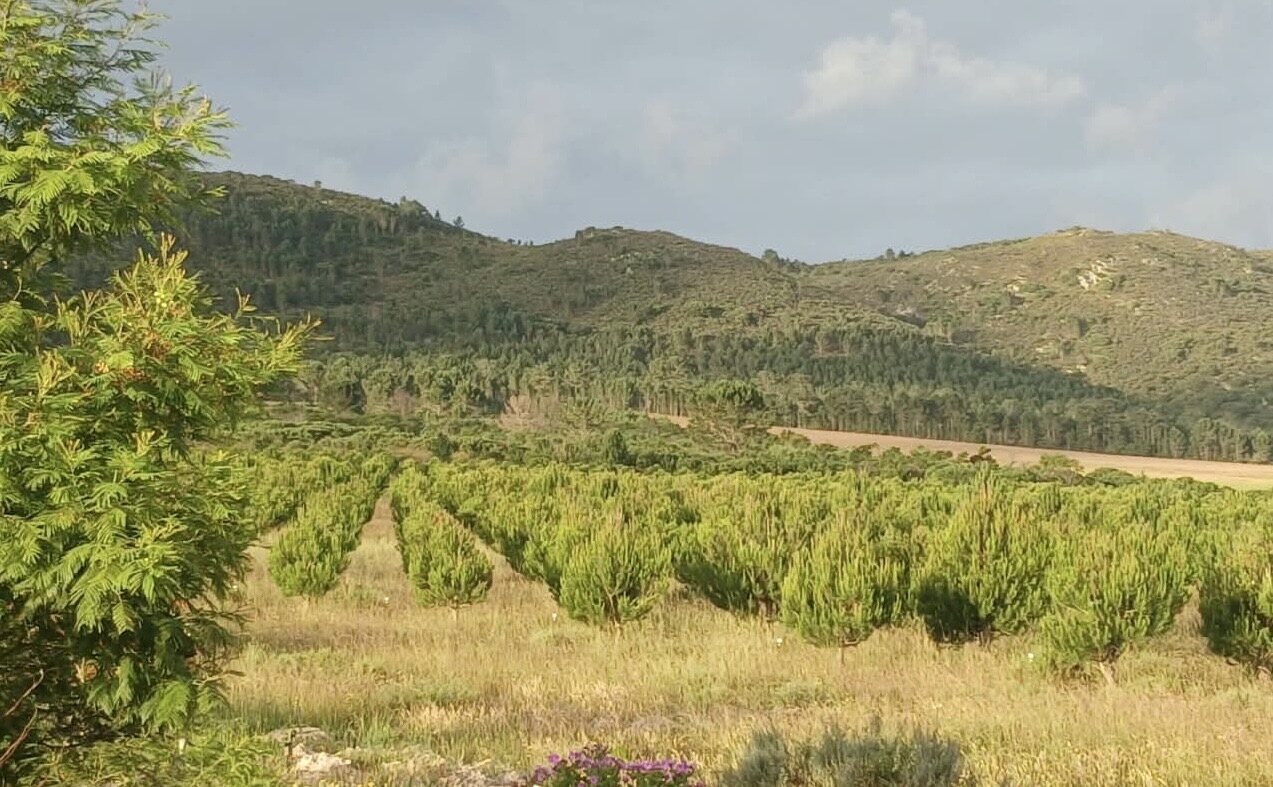
Rows of young truffle trees beneath the hills of the Cape
Why the Cape?

A climate made for truffles

Less than one percent of the world’s farmland is suited to growing truffles. They need a cold winter, a warm, dry summer and just the right soil.

The Cape’s Mediterranean-style climate closely mirrors the Périgord region of France, where black truffles have been prized for centuries. Add careful irrigation and patient management, and you have the conditions for truffles to thrive.

Opposite seasons

Fresh truffles when Europe has none

Because the Cape lies in the southern hemisphere, our black truffle harvest falls in the middle of the European summer, when fresh black truffles are otherwise hard to find.

JanFebMarAprMayJunJulAugSepOctNovDec
Europe
The Cape

Black winter truffle harvest seasons, approximate. Timing varies from year to year with the weather.

In the kitchen

How to enjoy truffle

Keep it gentle

Truffle aroma is delicate and fades with high heat. Add it at the end of cooking, or just before serving.

Let fat carry it

Butter, cream, eggs and cheese capture truffle’s aroma beautifully. That’s why the classics are so good.

Keep it simple

Fresh pasta, a soft risotto, buttery mash or scrambled eggs let the truffle take centre stage.

Store with care

Wrap fresh truffles in paper, keep them in an airtight jar in the fridge and enjoy within a week.